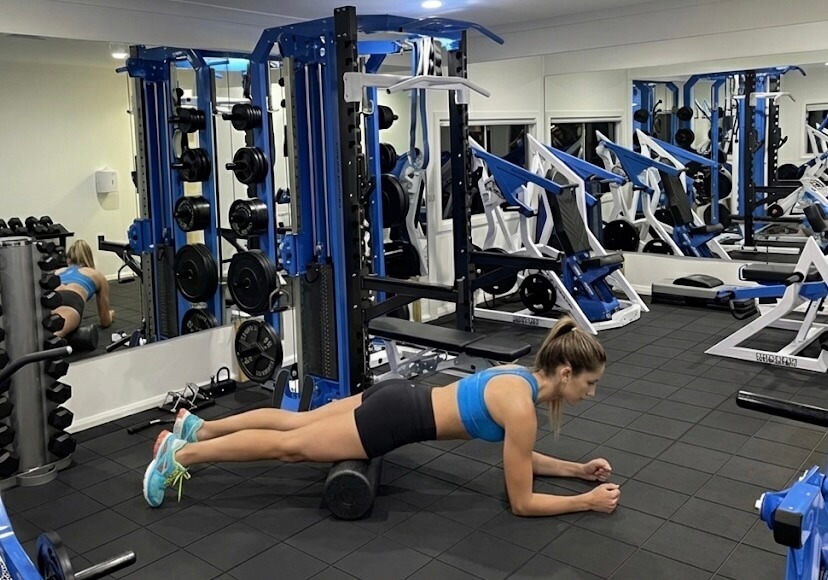
Self release techniques are one of the most effective ways to reduce tightness, ease stiff joints, and keep your body moving well between physiotherapy sessions.
At Canton Beach Physio we teach these methods every day because they help people feel better, move better, and stay independent in looking after their body. This is what Physiotherapist do at home to reduce pain and restore their mobility.
What Is Self-Release?
Self-release is a method of using simple tools to loosen tight muscles, reduce stiffness and improve movement.
It works by applying pressure to sore or restricted areas, allowing the muscle and surrounding tissues to relax. This improves circulation, reduces tension and helps restore normal joint mechanics.
1. Why Self-Release Works
Self-release targets:
• Muscle knots and trigger points
• Tight fascia (the connective tissue around muscles)
• Stiff joint capsules
By applying pressure and moving slowly, you help the tissues relax and lengthen. This restores range of motion and reduces pain almost instantly.
Quick takeaway:
Self-release works because sustained pressure relaxes tight muscles, improves blood flow, reduces joint stiffness and helps stretch tight joint capsules, which allows your joints to glide and move more freely.
2. The Tools You Need
You only need a few simple tools:
- Foam rollers
- Massage balls in different sizes (small, medium and large).
- Smaller balls target deep, specific knots while larger balls cover broader, more sensitive areas
- Power bands (stretch band)
These tools are safe, inexpensive and easy to use at home
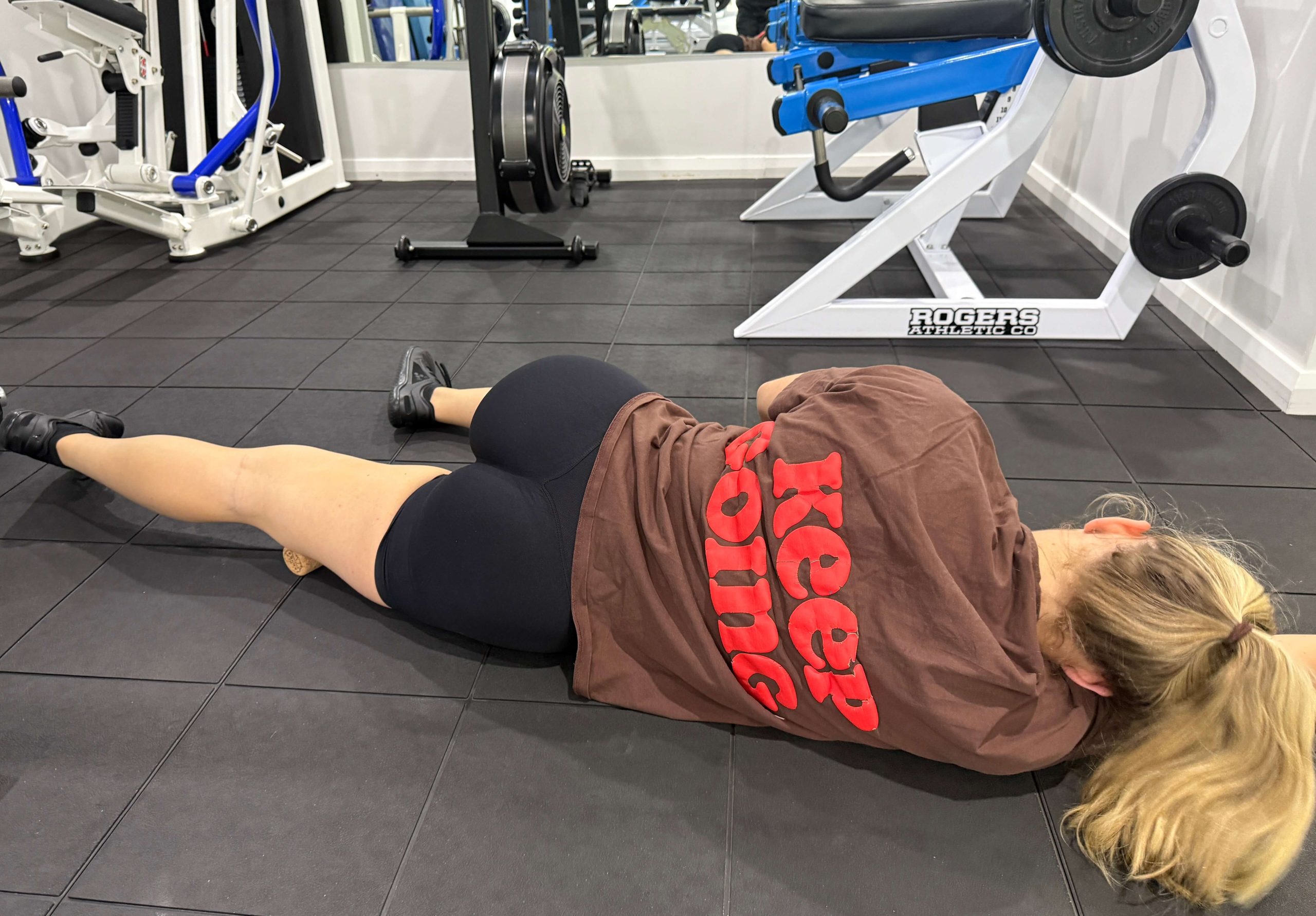
3. The Most Common Areas to Self-Release
The areas most people need to release includes:
- Mid back
- Glutes
- Lower back
- Quadriceps
- Upper traps
- Calves
- Chest
- Shoulders
These are the same areas we treat every day in the clinic.
4. How to Do Self-Release Correctly
To get the best results:
- Move slowly.
- Apply gentle to moderate pressure.
- Aim for a sensation of 3-4 out of 10.
- Breathe deeply and stay relaxed.
- Spend at least 90–120 seconds on each muscle.
Quick takeaway:
Self-release should feel like pressure pain that slowly reduces over time. Ideally you should gently reproduce your symptoms. This confirms you’re on the right spot. Move slowly and breathe deeply to allow the muscle to relax. Sometimes this can take up to 5-10 minutes.
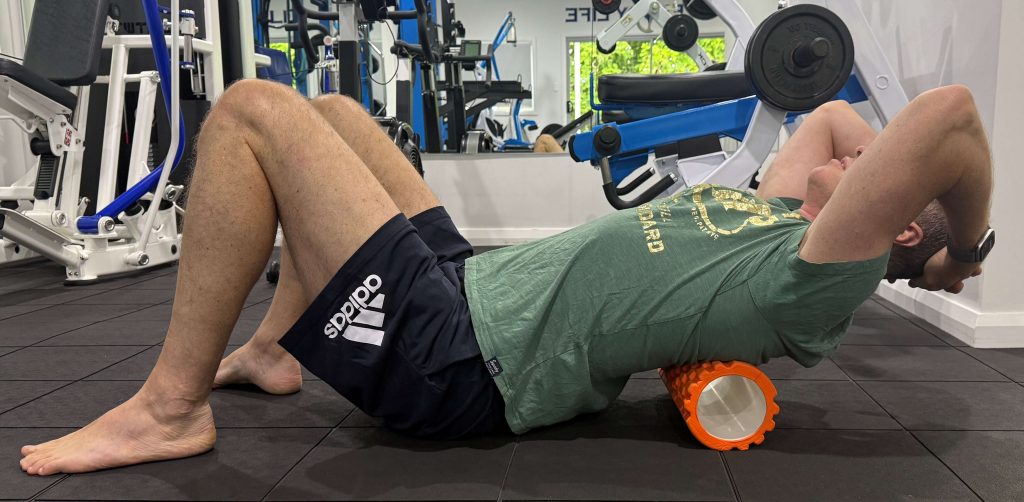
5. Using a Foam Roller
Foam rollers are ideal for large muscle groups. Foam rolling helps:
- Broadbased tightness
- Identify the main tight areas
- Quads tightness
- Loosen tight ITBs
- Improve hip mobility
- Reduce mid back stiffness
6. Using a Massage Ball
Massage balls are perfect for deeper, targeted areas. Use them for:
- trigger points
- focusing on specific areas
- Mid back
- Neck
- Low back
- Glutes
- Upper traps
- Shoulder muscles
- Chest tightness
These areas often cause referred pain, so releasing them can provide quick relief. You can also use Bak Balls or a peanut massage ball to mobilise the spine. These tools are especially effective for the mid back, helping to restore movement and relieve stiffness in an area that becomes tight from sitting and poor posture.
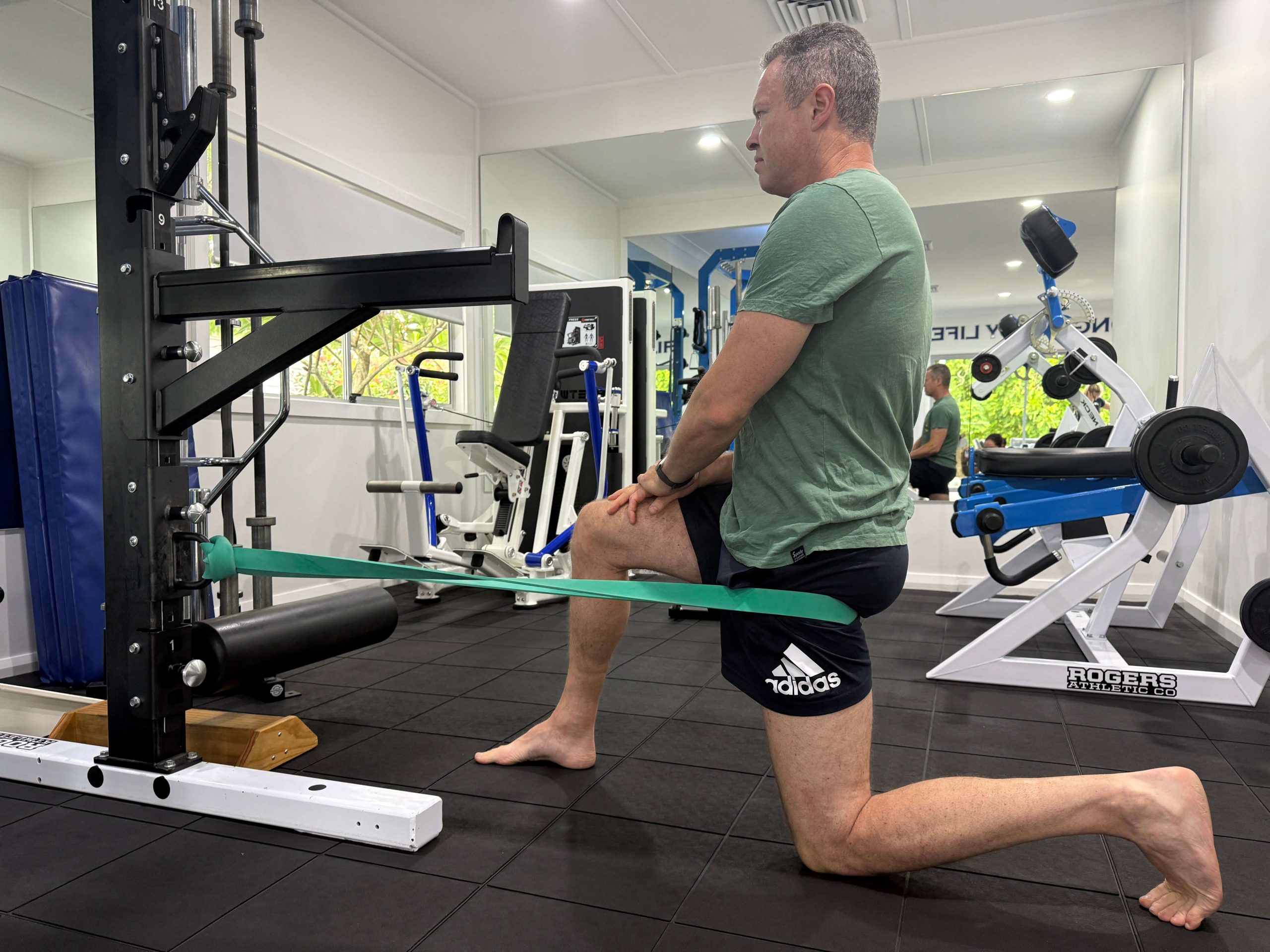
7. Using Power Bands for Joint Mobility
Power bands are excellent for:
• Mobilising stiff hips
• Improving ankle range of motion
• Loosening tight shoulders
The band gently distracts the joint, reducing pressure and improving joint movement.
8. Why Self-Release Helps You Improve Faster
We consistently see that patients who self-release between appointments:
• Recover faster
• Feel less pain day to day
• Maintain their results longer
• Improve mobility more quickly
• Build confidence in looking after their own body
Quick takeaway:
Patients improve faster when they self-release because the daily stimulus keeps the muscles and joints adapting in a positive way. By reducing knots, releasing tight fascia and improving joint capsule mobility every day the body gradually accepts better movement as the new normal. This consistent input trains your muscles and joints to stay looser, more flexible and more injury proof long-term.
9. Why Physios Use These Techniques Themselves
These are the same techniques most physiotherapists use on themselves to keep their bodies working well. We don’t wait for our problems to become chronic. Once we feel something not working normally we self treat with releases straight away. It’s the physio version of brushing your teeth. You brush your teeth daily to prevent long-term damage and keep them healthy. Self-release does the same for your muscles and joints.
Frequently Asked Questions
1. How Often Should You Self-Release?
A good goal is 10–15 minutes a day. If you are in a lot of pain and have significant restrictions in range of movement aim for at least 30 minutes. Once you are pain free and have full range of motion in all your joints reduce it back to 10-15 minutes a day for maintenance.
2. Who Benefits the Most From Self-Release?
People with:
• pain with movement
• knots in their muscles
• stiff restricted joints
• Athletes and fitness enthusiasts
• Anyone over 40.
Almost everyone feels better from doing these techniques. The people who benefit the most are those currently in pain or with any reduced range of motion. Releasing tight muscles and stiff joints immediately improves how easily they can move. Once the body is moving effortlessly the pain levels drop.
3. What should I avoid?
Avoid self-release if:
• You have an acute injury or swelling
• There is sharp pain
• You suspect a fracture
• There is numbness or loss of strength
If unsure, ask us first.
4. How long until I feel results?
Most people feel relief immediately and notice improved mobility within days. Before doing your self release pick the movement you are most restricted with. After you do a self release recheck your most painful or stiffest movement. If you have done the self release correctly you should notice an immediate change. This is the best way to determine if you were working in the right area.
5. Is self-release safe?
Yes. Use moderate pressure and avoid sharp pain. Check with your Physiotherapist that you have the right technique.
6. Can self-release replace physiotherapy?
No. It complements physiotherapy by helping you stay loose between sessions. You will accelerate your progress dramatically.
7. What if I’m doing it wrong?
We will send you a video with your exercise program that you can watch to make sure you know what to do. When you have your next appointment make sure you check with your physiotherapist that you have the right technique. It is essential you get the right technique so you get well as fast as possible.
Ready to Feel Looser and Move Better?
If you’d like a personalised self-release program, we can guide you step by step and tailor the techniques to your body. Book online or call 02 4396 5686 for an appointment.